

Noble Path : ค้นหาหนังสือธรรมะ หน้า 8 / 9
หน้าหนังสือทั้งหมด
194
Understanding Merit in Buddhism
should think in this way. As long as the monks do not seriously
break the monastic discipline, you should think that you are
giving alms to them to replenish their energy for Dhamma
study and meditati
This text emphasizes the importance of giving alms to monks to replenish their energy for Dhamma study and meditation. It advises that both givers and receivers gain merit. It discusses the impact of
49
Pearls of Inner Wisdom: Attaining Dhammakaya
48
Pearls of Inner Wisdom
36.Portent of Success
In order to attain Dhammakaya,
we must place our mind
on the right path 10,
which is at the centre of the body,
using the right method.
When the mind is
In seeking to attain Dhammakaya, one must focus the mind on the central path within the body, employing the correct methods and optimal effort. When these elements align, the Sphere of the Initial Pat
101
Benefits of the 'Path of Progress' Dhamma Quiz
Even though youths are not Buddhists, they will also gain benefit from this “Path of Progress” Dhamma Quiz, as someone said:
“I’ve realised that this contest benefited me in different ways. Even thou
This text highlights how participants, regardless of their religious beliefs, find value in the 'Path of Progress' Dhamma Quiz. Ms. Sujanya Khetjarassang shares her positive experience, emphasizing th
60
Understanding Dhammakāya: The Essence of Transcendental Dhamma
Arhatship (arahattamagga).86 Therefore, the particular path is not a mere ‘collective title’ of the path-constituents but the ‘essential totality’ by which a ‘body’ is defined.
The dependence of funct
This text discusses the concept of Arhatship and the definition of Dhammakāya in the context of Buddhist philosophy. It argues that the path should be seen as an essential totality, forming a 'body,'
47
The Journey to Enlightenment: Sodh Chandasaro's Transformation
PHRAMONGKOLTHEPMUNI 43
the beginning of the path to spiritual attainment. He was overjoyed. Even the midday meal tasted extraordinary delicious that day. He looked forward to continuing a long medit
In this text, Sodh Chandasaro embarks on a profound meditation session, making a resolute vow to attain enlightenment similar to the Lord Buddha. As he meditates in front of the main Buddha statue, he
165
Exploring Concepts in Buddhism and Mindfulness
Sanskrit: another ancient language used in India; Buddhist scriptures in Sanskrit are translated from the Pali language; Sanskrit texts are used by the Mahayana school of Buddhism.
Seventh Base of th
This text delves into the significance of Sanskrit as an ancient language in India and its relation to Buddhist texts, particularly those influenced by the Mahayana school. It introduces the Seventh B
49
Understanding the Eightfold Path in Buddhism
Suzanne Jeffrey
"The path begins with Right View, Samma-Ditthi. This is also called Right Understand-
ing. On one level, this means that we understand that there is cause and effect: that do-
ing goo
The text outlines the initial parts of the Eightfold Path in Buddhism, emphasizing the importance of Right View, which differentiates good and bad actions based on cause and effect. Right Intention is
85
The Path of Wholesomeness and Unwholesomeness
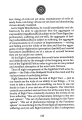
- stealing [adinnāḍāna]
- committing adultery [kāmesumicchācāra]
Unwholesome speech comprises:
- telling lies [musāvāda]
- divisive speech [pisuṇaṅāṭa]
- harsh speech, insults and swearing [pharusavaṭ
In Buddhism, ten unwholesome behaviors are cautioned against: stealing, committing adultery, lying, divisive speech, harsh speech, idle chatter, covetousness, vengeful thinking, and false views. These
145
Understanding the Eightfold Path: Right Mindfulness and Right Concentration
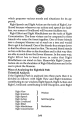
fort: doing of evils not yet done, maintainance of evils already done, not doing virtues not yet done and abandoning virtues already mastered.
As for Right Mindfulness, he would immediately and defini
This excerpt explores the significance of the Eightfold Path, specifically focusing on Right Mindfulness and Right Concentration. It emphasizes understanding the aggregates of existence as they relate
146
Understanding the Eightfold Path
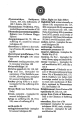
which proposes various moods and situations for its approval.
Right Speech and Right Action are the tools of Right Livelihood because whenever our actions and speech are faultless, our means of liveli
This excerpt delves into the components of the Eightfold Path, highlighting the significance of Right Speech and Right Action as essential tools of Right Livelihood. It compares virtues to friends sup
223
Exploring Dhammakāya and the Eightfold Path
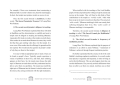
Dhammakāya, Sotāpana: Effort, Right (see Right Effort)
Coarse, 108, 134; defilements of
Eightfold Path: arises internally as 136-7; Subtle, 108, 134
sphere 105; components 20, 117,
Dhammakāya Traditi
This text delves into the Dhammakāya tradition, highlighting key components of the Eightfold Path and its teachings on defilements, enlightenment, and the nature of suffering. Concepts are illustrated
187
The Sacred Formulas of Luang Phaw Wat Paknam
For example, if there were statements about constructing a
Dhamma Hall or a monk's shelter soon, then this must happen.
In short, the temple must produce results as soon as it can.
Thus, the first sac
The teachings of Luang Phaw Wat Paknam emphasize three sacred formulas essential for temple prosperity: cleanliness, diligent teaching of Dhamma, and frequent meditation practice. Cleanliness is vital
80
The Four Noble Truths
80
80
SOLUTIONS
FROM WISDOM
XXXIV
The Four Noble Truths tacles
The Four Noble Truths is a
demonstration of suffering: its
nature, its cause, its cessation
and the way leading to cessation.
Suffering e
The Four Noble Truths outline the concept of suffering, addressing its nature, causes, and how to overcome it. Suffering arises from sensual desires and the struggle for acquisition. Awareness of thes
58
Understanding the Concept of Body and Collection in Dhamma
Functionally, however, both terms seem to imply a different relationship between individual members and the ‘totality’ of the whole ‘body’ or ‘collection.’ As a ‘body,’ the ‘totality’ of the whole org
This text analyzes the distinctions between the terms 'body' and 'collection' within the framework of Dhamma, particularly focusing on functional dependence. It argues that while a 'body' maintains es
74
Understanding Dhammakāya and Enlightenment
the function of each particular transcendent dhamma.116 The totality of transcendental qualities constituting each transcendental state, which is identified earlier with dhammakāya, denotes a degree o
This text analyses the concept of dhammakāya, highlighting its connection to enlightenment and the associated happiness. It emphasizes the blameless nature of dhammakāya and notes Gotami's insights in
10
ความเป็นจริงในชีวิตพระสงฆ์และการกระทำที่สำคัญ
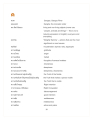
ค คณะสงฆ์ คัน สัตว์ สิ่งของ
Ganges; Ganges River
Sangha; the monastic order
living and non-living objects (never use
“people, animals and things” -- this is not a
natural expression in English); eve
เนื้อหานี้สำรวจความสำคัญของคณะสงฆ์และสัตว์สิ่งของในระบบความเชื่อ มีการพูดถึงการกระทำที่สำคัญที่เรียกว่า 'กรรมที่มีน้ำหนัก' และผลกระทบต่อชีวิตของผู้คน เช่น ความเจตนาดีและความไม่สงบ โดยเฉพาะในบริบทของคว
53
The Noble Truth of the Origin of Suffering
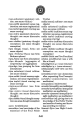
2. Explanation of the Noble Truth of the Origin of Suffering
The Lord Buddha’s explanation of the Origin of Suffering includes all four of the Origin of Suffering’s implications in the light of the Fo
The Lord Buddha explains the Origin of Suffering, emphasizing craving as the root cause affecting all living beings. It identifies two forms of craving: self-centred craving (for personal advantage) a
246
Fundamental Concepts in Buddhist Psychology
rasa-saṅchetana (gasticatory volition: see sense volition)
rasa-saṃnā (gasticatory sense registration: see sense registration)
rasa-tanḥa (gasticatory craving: see sense craving)
rasa vicāra (ga
This text elaborates on significant concepts in Buddhist psychology, including gasticatory and visual perceptions such as rasa (taste) and rūpa (form). It addresses terms like gasticatory volition, se

53
รางวัลและเกียรติยศ
.
ได้รับพระราชทานเลื่อนสมณศักดิ์
เป็นพระราชาคณะชั้นราช ฝ่ายวิปัสสนาธุระที่
พระราชภาวนาวิสุทธิ์ เมื่อวันที่ ๕ ธันวาคม พ.ศ.
๒๕๓๙
.
• ได้รับพระราชทานเลื่อนสมณศักดิ์
เป็นพระราชาคณะชั้นเทพ ฝ่ายวิปัสสนาธุระ
ได้รับพระราชทานเลื่อนสมณศักดิ์ เป็นพระราชาคณะชั้นราช ฝ่ายวิปัสสนาธุระที่ พระราชภาวนาวิสุทธิ์ เมื่อวันที่ ๕ ธันวาคม พ.ศ. • ได้รับพระราชทานเลื่อนสมณศักดิ์ เป็นพระราชาคณะชั้นเทพ ฝ่ายวิปัสสนาธุระที่ พระเท

119
การรับรู้ทุกข์ในชีวิต
John
Sam
Let's look at our daily life or daily work. There
are always problems to face. No matter how big
or small the problem, we have to solve them. But
before solving a problem. We first have to
re
John Sam Let's look at our daily life or daily work. There are always problems to face. No matter how big or small the problem, we have to solve them. But before solving a problem. We first have to re